
2026-09-21 · 5 min read
Head Gasket Failure Signs — Symptoms & Risks
A blown head gasket can mix oil and coolant, and if ignored, destroy the engine. Here are the symptoms to watch for, how to confirm the diagnosis, and why you should not delay repairs.
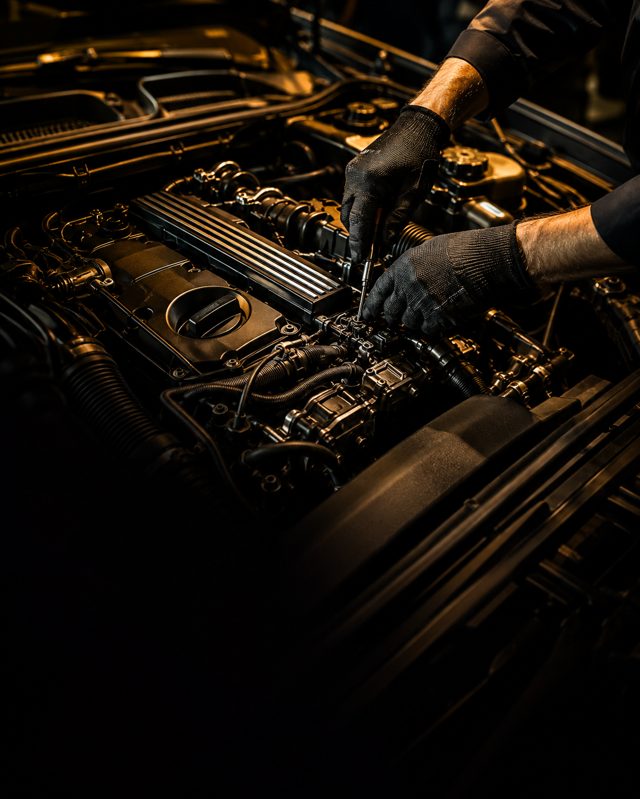
What is a head gasket?
The cylinder head gasket (head gasket) sits between the engine block and the cylinder head, sealing three independent passages: the combustion chamber, the oil passage and the coolant passage. It must withstand combustion pressure (over 100 bar) and extreme heat (600°C+) simultaneously, making it one of the most demanding seals in the entire engine.
When the head gasket fails, the seals between these three passages break down, and various combinations of leaks can occur: coolant entering the combustion chamber, oil and coolant mixing, exhaust gases entering the cooling system, and more.
Common symptoms
• Coolant level keeps dropping with no visible external leak — coolant is being burned off in the combustion chamber.
• White smoke from the exhaust pipe (coolant entering the combustion chamber and being burned; exhaust has a sweet smell).
• Engine oil turns milky white or has a coffee-coloured froth (coolant mixed into the oil, also called 'mayonnaise').
• Bubbles appear when the overflow tank or radiator cap is opened (combustion gases entering the cooling system).
• Engine overheating even though there is nothing visibly wrong with the cooling system hardware.
• Oil level increases unexpectedly (coolant mixing into the oil is raising the quantity).
• Prominent white smoke on cold start that reduces after the engine warms up (early-stage leak symptom).
Why can't you delay?
In the early stages of a head gasket leak, only the seal has failed. Addressed promptly — replacing the gasket and resurfacing the head — the cost is roughly RM 800–3,000 depending on the vehicle.
If you continue driving, the ongoing coolant loss will lead to severe engine overheating, causing a warped cylinder head, bore damage or complete engine failure. A warped head costs thousands more to repair, and if the engine itself is damaged a replacement engine is needed — costs that quickly spiral out of control.
If you notice any of the above symptoms, stop the car immediately and contact 4M Car Care. Do not continue driving at high temperature.
How to confirm if it's a head gasket problem
A professional workshop will use the following methods to confirm: a combustion leak test (Block Test) checks the radiator fluid for the presence of combustion gases; a computer diagnostic reads fault codes; and the cylinder head is removed for a visual inspection. Symptoms alone cannot give 100% confirmation — actual testing is required.
If you suspect a head gasket problem, come to 4M Car Care for a systematic diagnosis. We find the root cause before recommending any repair.